A child’s early years are a time of mental growth. Nurseries provide the essential environment where creativity and imagination flourish. These skills form the foundation for future problem-solving, emotional understanding, and intellectual curiosity.
Through deliberate design and thoughtful activities, nursery staff help young minds explore and express their inner worlds. This focus is clear in the approach of many leading early years providers, including the various nurseries in Dubai Marina.
Crafting an Environment for Exploration:
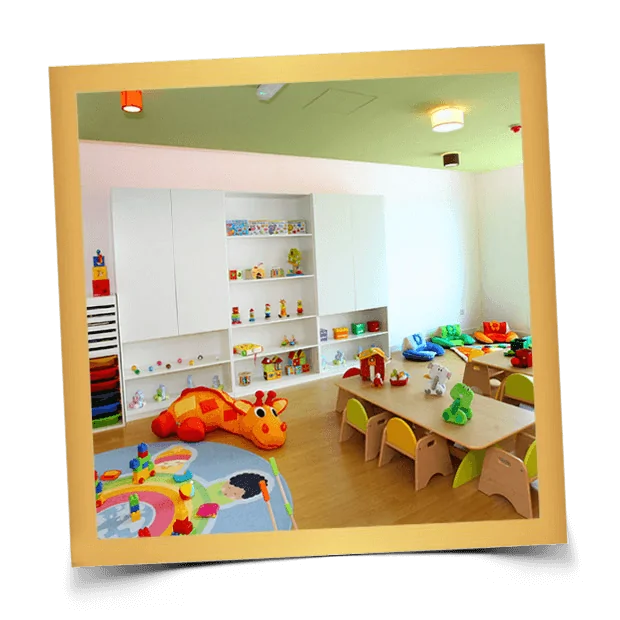
The physical space in a nursery acts as a silent teacher. Rooms avoid rigid layouts, instead offering flexible zones for different types of play. A corner with dress-up clothes and simple props becomes a stage for storytelling. A table stocked with clay, paints, and recycled materials invites artistic experimentation. These areas are not overly prescriptive; they present materials as open-ended invitations. Children decide if a cardboard box becomes a spaceship, a castle, or a car. This freedom to choose and manipulate their surroundings empowers original thought.
The Role of Skilled Facilitators:
Educators in nurseries act as guides, not directors. They observe children’s play and ask questions that extend thinking. Instead of demonstrating how to draw a tree, a practitioner might say, “Tell me about the lines you are making,” or “What kind of place does your creature live in?” This process values the child’s idea over a perfect final product. Staff also introduce new vocabulary and concepts through stories and songs, giving children a richer palette for their imaginative creations.
Learning Through Purposeful Play:
Play is the primary vehicle for creative development. Nurseries structure time for both guided activities and uninterrupted free play. In guided sessions, children might mix colors to see what happens or build structures with blocks to solve a simple challenge. During free play, children synthesize these experiences independently, often in surprising ways. This balance allows them to practice skills and then apply them in self-directed, imaginative scenarios, often collaborating and negotiating ideas with peers.
Celebrating Process Over Product:
A key principle is focusing on the creative process itself. Displays show the stages of a project, not just polished end results. Comments from staff highlight effort, curiosity, and unique approaches. When a child feels their ideas are valued without judgment, they gain confidence to experiment and take creative risks. This builds resilience and a positive association with innovation.