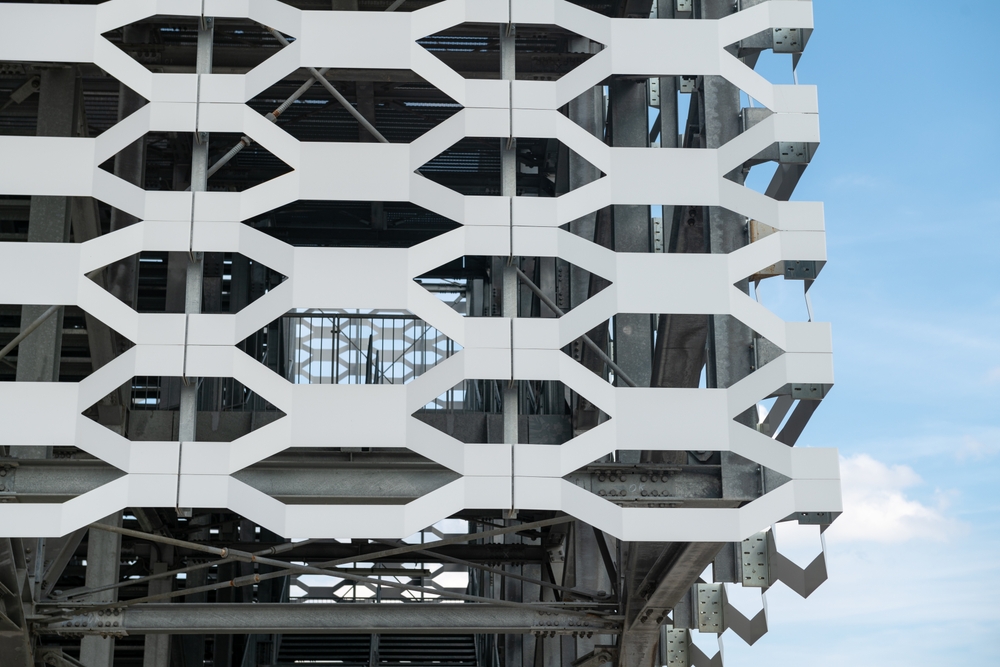
Architectural metal brings a special kind of magic to buildings. It can be strong and shiny, soft and textured, or bold and colorful. But using it well is a skill. It is not just picking a pretty panel and putting it up. Done right, your building will look stunning and last for decades.
Pick metals for their personality
Every architectural metal has a character. Zinc develops a soft, protective film over time. Copper turns from bright orange to a stately green. Steel can be strong and industrial or sleek and modern. Your choice should match the building’s story. Think about the look you want in five, twenty, or fifty years. This forward-thinking choice makes the design intelligent.
Never forget the team
The best metal projects happen when everyone talks early. The architect, the metal supplier, and the builder must work as one unit from the start. This teamwork solves problems before they happen. It ensures the beautiful drawings can actually be built in the real world, on time and on budget.
Protect the performance
A metal’s beauty is useless if it fails. The right way means planning for how the metal will live on the building. Use proper barriers to stop different metals from touching and corroding. Design details that let water drain away. Allow space for the metal to expand on a hot day and contract on a cold night. These invisible details guard the visible beauty.
Celebrate the craft of installation
How metal is put up is part of the art. Skilled installers are essential. They understand the plans and have a feel for the material. Their precise work ensures every joint is straight, every panel is flat, and every fastener is hidden just right. Their expertise turns sheets of metal into a flawless facade.
Let maintenance be part of the plan
Some metals change with age beautifully; others want care to stay looking fresh. Choose and design with a clear plan for the future. Tell the building owner how to care for it. This might mean designing easy access for cleaning or specifying a protective coating. A good plan keeps the building looking its best with minimal effort.
Light makes metal sing
Architectural metal comes alive with light. The right way to use it always considers the sun and artificial lights. A textured metal will create deep shadows in the afternoon sun. A polished metal will reflect clouds and changing colors. At night, gentle lighting can make a metal surface glow. Use light as your partner to show off the metal’s best features every hour of the day.